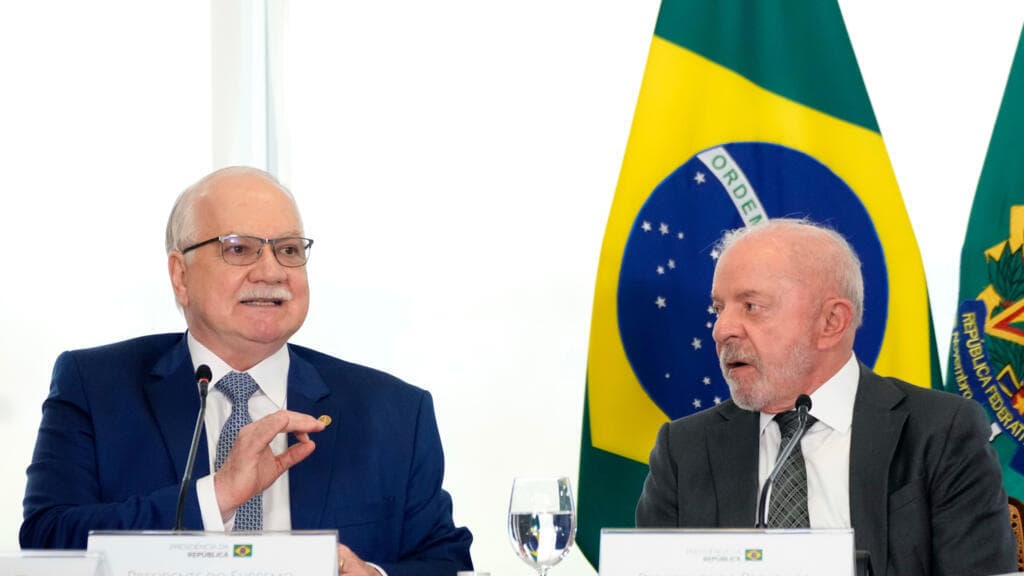
BRASILIA — Governors from all nine states comprising the Legal Amazon joined Brazilian federal cabinet ministers in Brasilia on Thursday to ratify the Amazonian Hydrological Defense Compact, allocating $3.5 billion in emergency environmental funding as historic drought conditions reduce major river arteries to unprecedented historical lows.
Rescuing Isolated River Communities and Securing Clean Power
According to reporting from the Associated Press and Reuters, water levels along the Rio Negro and Madeira rivers have dropped below records established a century ago, stranding commercial cargo barges, cutting off indigenous river communities from essential medical supplies, and forcing major hydroelectric dams to operate at a fraction of their nameplate generating capacity.
"The Amazon is the ecological heartbeat of South America and the planetary climate system. We cannot confront this unprecedented climate crisis with routine administrative measures; we require an extraordinary, coordinated mobilization of national resources." — Marina Silva, Minister of the Environment and Climate Change of Brazil
The Amazon rainforest regulates moisture circulation across the entire South American continent, generating atmospheric 'flying rivers' that supply rainfall to Brazil's primary agricultural states and major hydroelectric basins in the southeast. A compounding combination of severe climate cycles, deforestation, and elevated global sea surface temperatures has drastically lengthened the dry season, imperiling critical ecosystems.
Dispatches from Folha de S.Paulo noted that the emergency compact authorizes the immediate deployment of five hospital vessels and twenty shallow-draft transport ferries operated by the Brazilian Navy to deliver potable water, non-perishable food, and mobile satellite internet transceivers to over five hundred isolated riverside municipalities.
- Allocates $3.5 billion toward emergency water purification units, navigational dredging, and forest fire suppression.
- Deploys Brazilian Armed Forces naval units to maintain critical supply lifelines to 500 isolated river settlements.
- Implements dynamic reservoir dispatch protocols to protect minimum water flows required for aquatic biodiversity.
- Establishes 24/7 satellite surveillance detecting illegal land-clearing fires across protected indigenous reserves.
Federal authorities announced that specialized dredging barges have begun deepening sandbar channels near Manaus, with emergency humanitarian convoys scheduled to reach all affected riverside communities over the coming ten days. Corroborating reporting from international economic bureaus and regional correspondents underscored that policy analysts and market stakeholders view the initiative as a decisive milestone toward enduring regional stability, cross-border economic cooperation, and long-term regulatory certainty.
Reporting synthesized by Globdot News Service from corroborated wire dispatches and field reporting by Associated Press, Reuters, O Globo, Folha de S.Paulo.