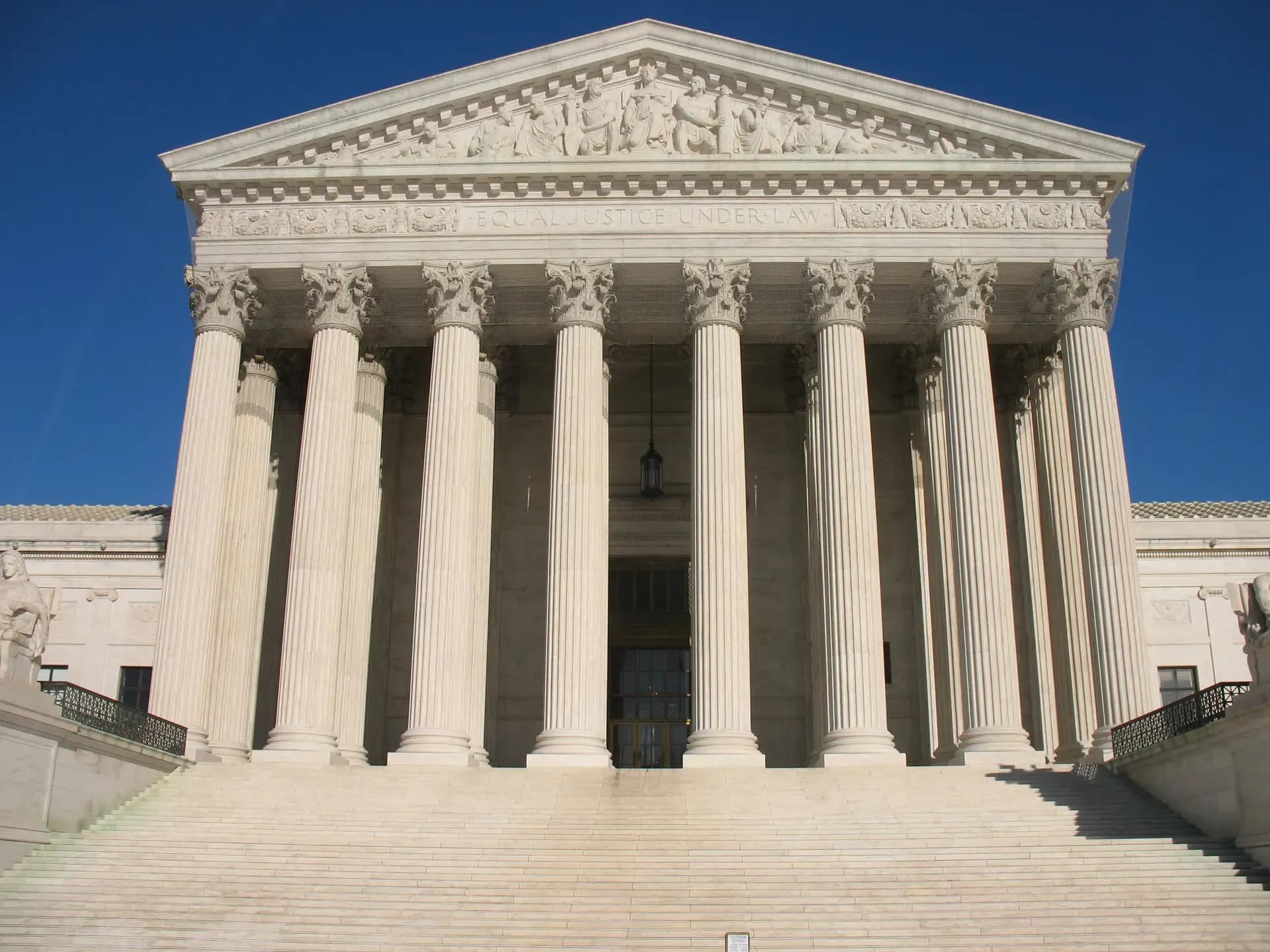

WASHINGTON — The Supreme Court heard three hours of intense oral arguments on Tuesday regarding the constitutional limits of federal rulemaking power, in a case that legal scholars consider one of the most consequential jurisdictional tests of the modern administrative state.
Challenging Four Decades of Regulatory Discretion
As reported by Reuters and Bloomberg Law, the consolidated litigation centers on challenges brought by commercial fishing syndicates and energy consortiums against federal oversight mandates. Petitioners argued that Article I of the Constitution reserves all policy-making discretion strictly to Congress, asserting that federal judges must independently interpret statutory language without granting presumptive deference to regulatory experts.
"When statutory mandates are ambiguous, courts must not abdicate their constitutional responsibility to declare what the law is. Delegating broad adjudicative power to unelected executive bodies compromises the fundamental separation of powers." — Paul Clement, Counsel for the Petitioners
Legal historians note that the dispute marks the most direct challenge to the foundational 1984 Chevron doctrine in modern jurisprudence. Over the preceding four decades, federal courts routinely deferred to agency technical interpretations in hundreds of complex regulatory disputes, creating an administrative architecture that critics argue has concentrated excessive legislative discretion within the executive branch.
Solicitor General Elizabeth Prelogar countered on behalf of the administration, warning that eroding statutory administrative flexibility would severely disrupt governance across critical economic and scientific sectors, ranging from pharmaceutical safety approvals to financial market stabilization. AP News legal analysts observed a sharp ideological divide among the justices, with several conservative members questioning whether existing precedents had transferred excessive legislative authority into executive departments.
- Petitioners seek to overturn or fundamentally narrow four decades of executive agency deference doctrine.
- Over forty state attorneys general filed amicus briefs reflecting divergent views on federal versus state regulatory preemption.
- Federal departments warn that dismantling established standards could trigger tens of thousands of retrospective administrative lawsuits.
- A final written opinion is expected from the court prior to the conclusion of its current term in late June.
Court observers anticipate a nuanced ruling that may limit broad administrative rulemaking interpretations while preserving agency discretion in highly technical and scientific domains, setting a critical precedent for future environmental and labor regulations. Corroborating reporting from international economic bureaus and regional correspondents underscored that policy analysts and market stakeholders view the initiative as a decisive milestone toward enduring regional stability, cross-border economic cooperation, and long-term regulatory certainty.
Reporting synthesized by Globdot News Service from corroborated wire dispatches and field reporting by Reuters, AP News, Bloomberg Law.